JRPG Remakes That Masterfully Enhanced Their Originals
Discover the best JRPG remakes that masterfully revitalize classic games, offering modernized experiences. These definitive editions are essential for both newcomers and series veterans.
As a lifelong fan of JRPGs, I've always had a soft spot for the classics. 🎮 Back in the day, accessing certain titles felt like a quest in itself—whether due to regional locks, hardware limitations, or simply the passage of time. That's why the current era feels like a golden age for us enthusiasts; we're witnessing a remarkable wave of remakes that don't just re-release old games but thoughtfully rebuild them for modern audiences. Most of these come from Square Enix, a powerhouse in the genre, but the trend has blessed us with gems from various publishers. The best part? These aren't lazy cash-grabs. They are labors of love that preserve the soul of the originals while sanding down the rough edges, adding layers of polish, and sometimes even introducing groundbreaking new ways to play. For newcomers, they are the definitive entry points. For veterans like me, they are delightful reunions with old friends, now looking and feeling better than ever. Let me take you through some of the most impressive JRPG remakes that, in my opinion, improved upon everything their original versions offered.
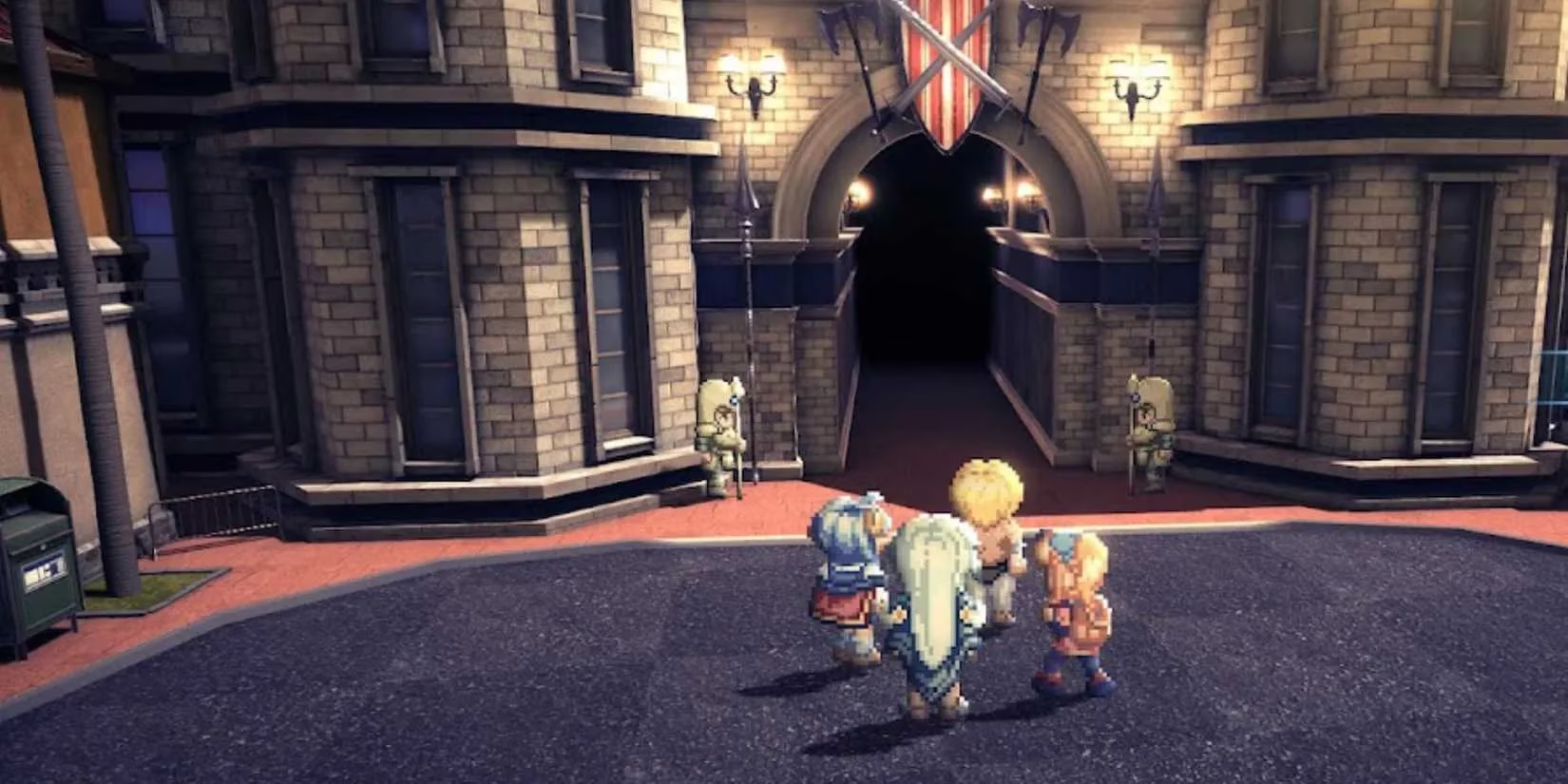
I'll be honest, after playing the charming but clearly underfunded Star Ocean: The Divine Force, I feared for the series' future. 😔 So, imagine my surprise and joy when Square Enix announced Star Ocean: The Second Story R. This remake of the franchise's most beloved entry was a revelation. The visual style is a gorgeous hybrid—vibrant 3D backgrounds paired with crisp, nostalgic 2D pixel-art characters that pop with life. It's not officially HD-2D, but it's a breathtaking cousin. Beyond the looks, the remake is packed with thoughtful quality-of-life improvements. Little markers now indicate when Private Actions are available, so you never miss those crucial character moments. The combat feels snappier with a better frame rate, and the iconic Item Creation system is more intuitive than ever. If you've ever been curious about this unique blend of sci-fi and fantasy, The Second Story R is the perfect, and arguably only, place to start now.
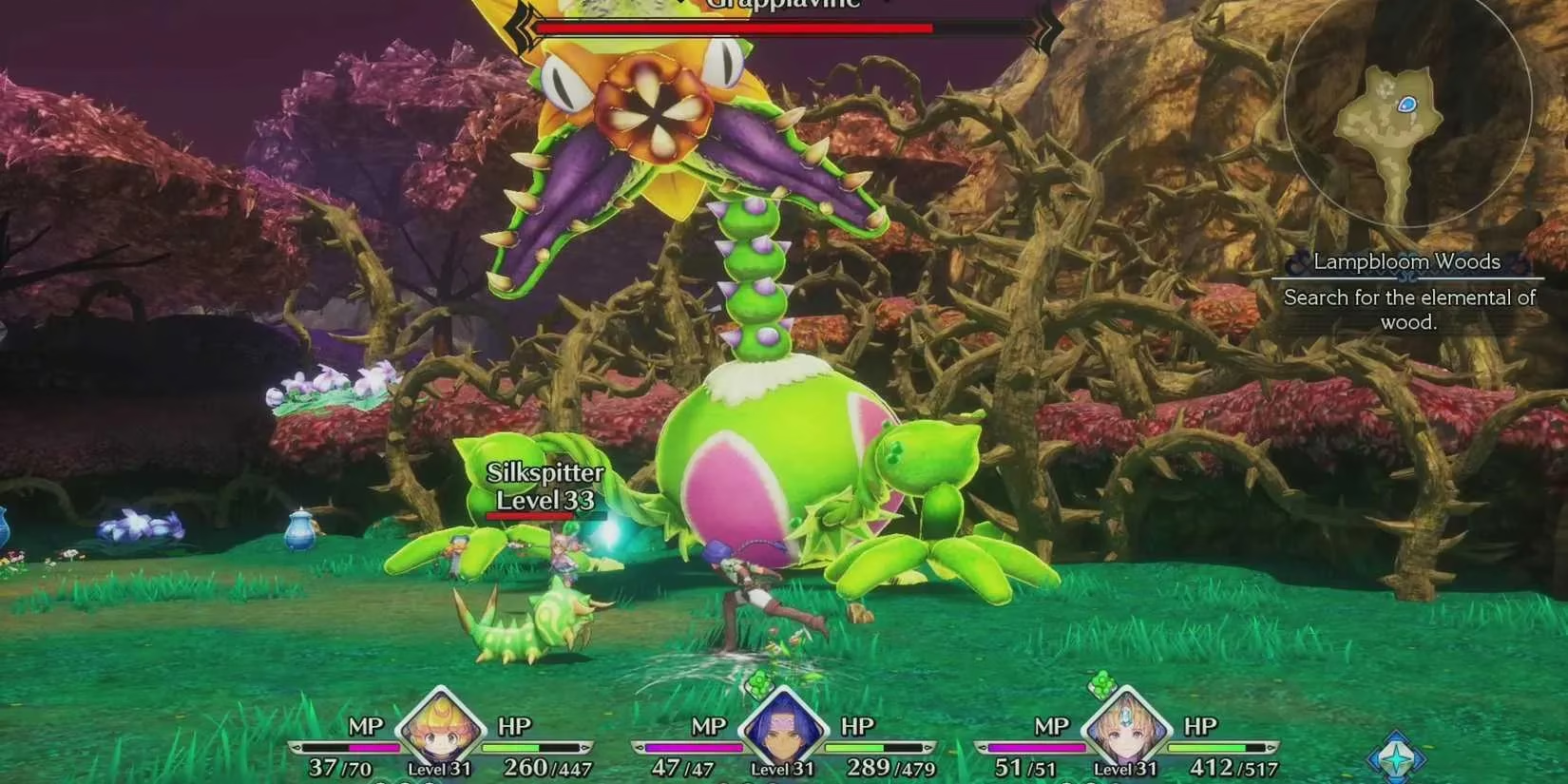
For years, Seiken Densetsu 3 was a mythical title for Western fans, trapped in Japan because its ambitious scope filled an SNES cartridge to the brim. The 2025 remake, Trials of Mana, was a dream come true. This isn't just a visual overhaul; it's a full-fledged action RPG that finally brought a classic to a global audience. The core appeal remains wonderfully simple and cozy: you pick a protagonist and two companions, and your choices shape the story and even the main villain. The class evolution system is a joy, letting you guide each character down light or dark paths to unlock new abilities. It doesn't try to reinvent the wheel, but it executes its vision with such polish and heart that it became a surprise sales hit. For me, playing Trials of Mana felt like finally being let in on a wonderful secret the East had kept for decades.
Where does one even begin with a series as vast and cozy as Atelier? 🤷♂️ With over twenty main entries, it's daunting for newcomers. That's why Atelier Marie Remake: The Alchemist of Salburg was such a smart move. This remake of the very first 1997 game serves as a perfect introduction. The most basic yet crucial improvement is the English localization, finally opening Marie's world to everyone. Even better, they added a relaxed mode that removes the original's five-year time limit, letting you brew potions and befriend townsfolk at your own pace. Sure, it lacks the complexity of modern Atelier games, but that's the point. It's Alchemy 101, a gentle, charming tutorial into a series defined by its warmth. Marie's daily routine of gathering, synthesizing, and exploring is incredibly soothing, a perfect palette cleanser after more intense RPGs.
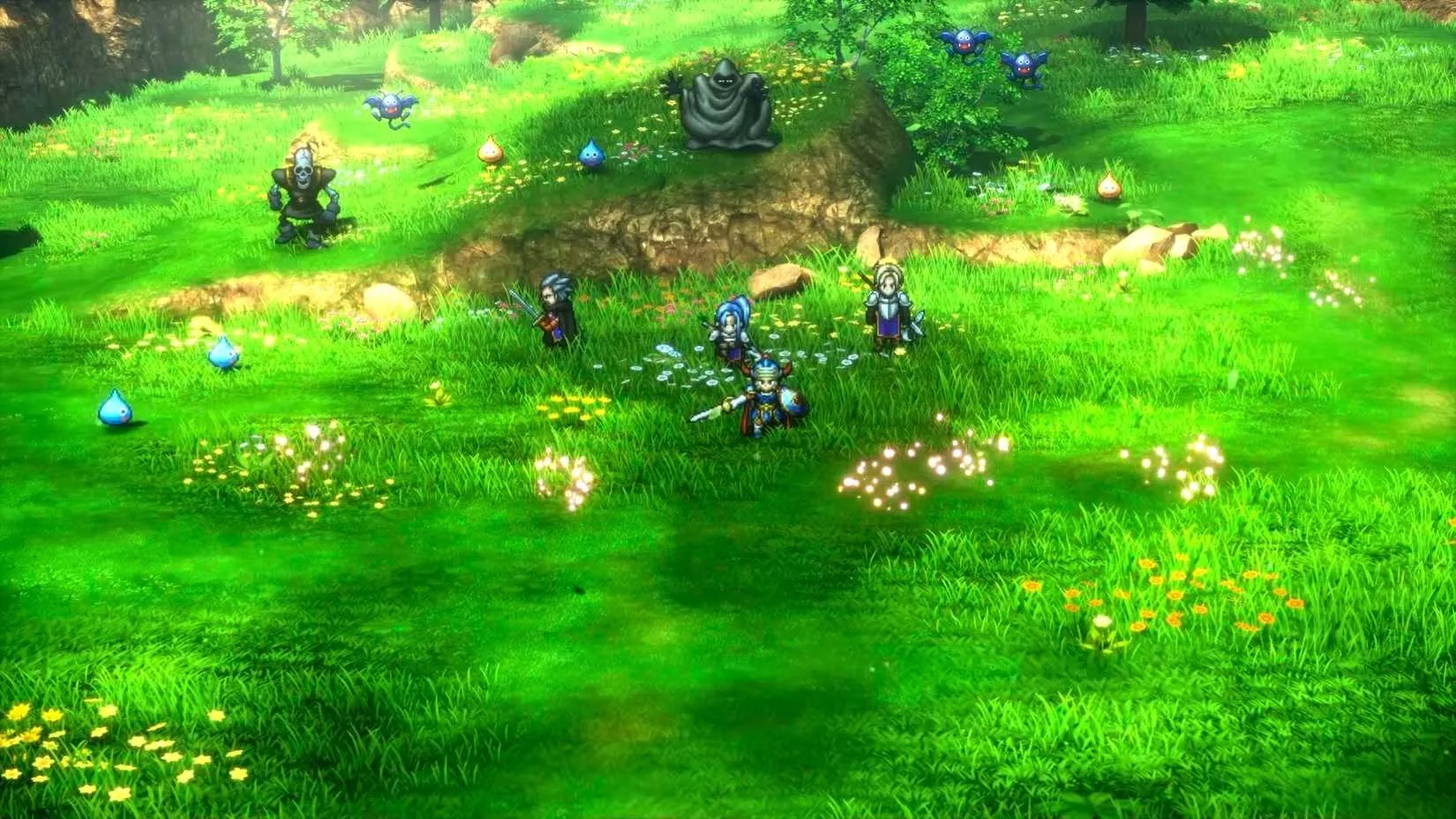
I might be biased since I just finished playing it, but the Dragon Quest I & II HD-2D Remake feels like the definitive way to experience the dawn of this legendary series. Square Enix's HD-2D engine is pure magic, rendering the classic worlds of Alefgard and Torland in stunning detail that honors the pixel art while adding breathtaking depth. The narrative connections to Dragon Quest III have been strengthened, enriching the lore of Erdrick. Now with full voice acting, every line from the king or a humble villager carries more weight. The turn-based combat remains delightfully traditional but is spiced up with new mechanics like Sigils and Scrolls. Crucially, modern comforts are everywhere: quest markers, auto-save, and an easy mode ensure these foundational adventures are accessible to all. Playing them now feels less like archaeology and more like a timeless journey.
Pokémon HeartGold & SoulSilver hold a special place in many fans' hearts, often cited as the pinnacle of the franchise. What makes these remakes so exceptional isn't a radical redesign of Johto and Kanto; it's the staggering amount of more. They took the solid foundation of Gold & Silver and piled on an incredible buffet of content:
-
The challenging post-game Battle Frontier.
-
The fun, Olympic-style Pokéathlon.
-
The PokéWalker, a physical pedometer that let you take your Pokémon for a walk in the real world (a wonderfully quirky feature).
-
The beloved feature of having your lead Pokémon follow you.
-
New areas and expanded story elements.
They listened to player feedback and added a whole new layer of seasoning. The result is arguably the most content-rich Pokémon experience ever created, a remake that so comprehensively surpasses the original it's hard to go back.
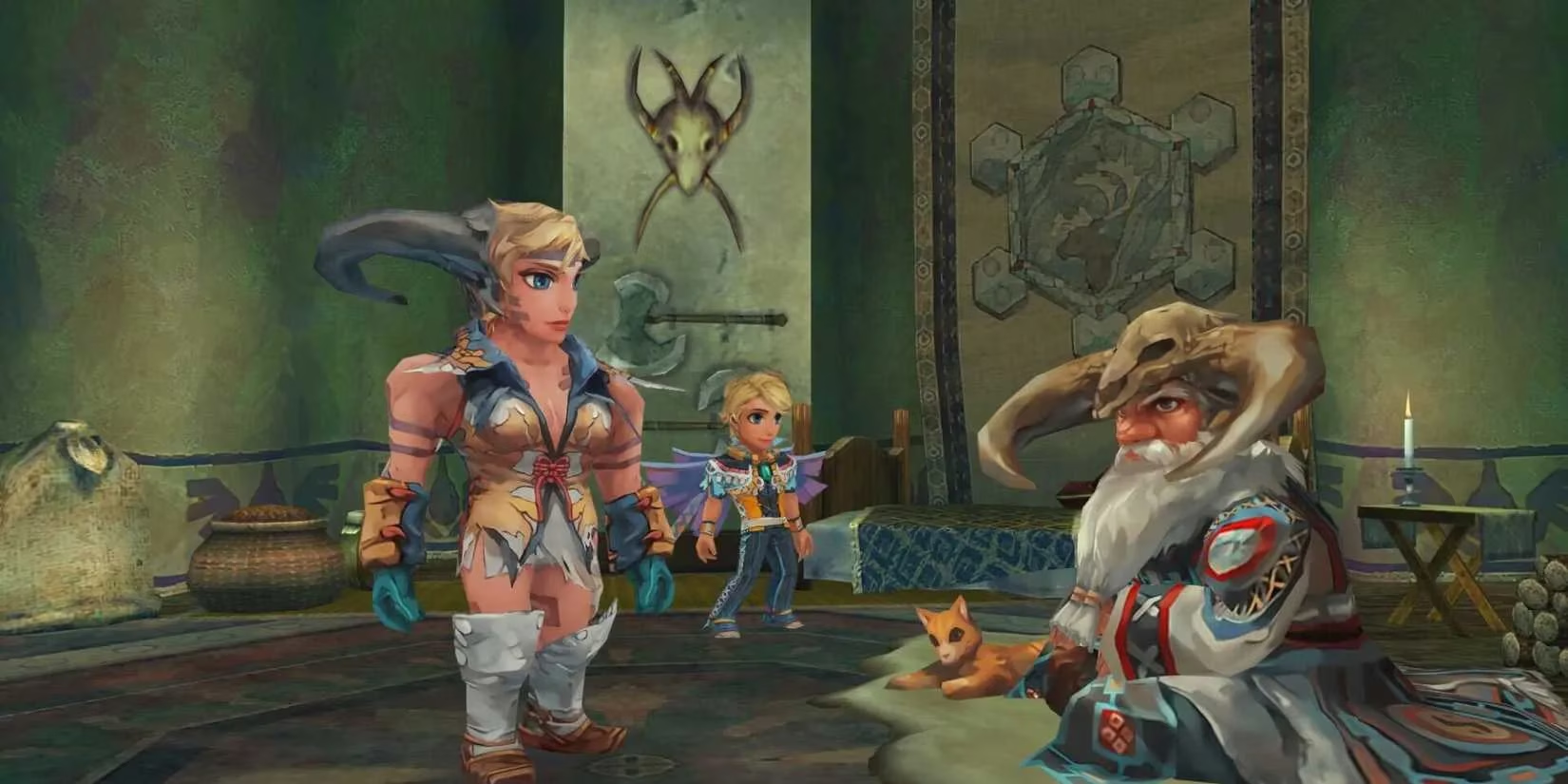
The SaGa series is famously… particular. Its non-linear, free-form progression and lack of traditional levels can be intimidating. Romancing SaGa: Minstrel Song is the bridge. This remake (which itself got a remaster!) brilliantly translates the original's pixel art into a beautiful, painterly 3D world while meticulously preserving its open-ended structure. You can still pick from eight protagonists and explore the world in any order you choose. New additions like Proficiencies reward exploration, and you can now slow the Event Rank to control the game's pacing. The unique thrill of "glimmering" a new technique in battle remains one of the most satisfying feelings in any RPG. Minstrel Song manages to retain everything that made the original cult classic while making its deep, complex systems more approachable. It's the best invitation into this unique corner of JRPGs.
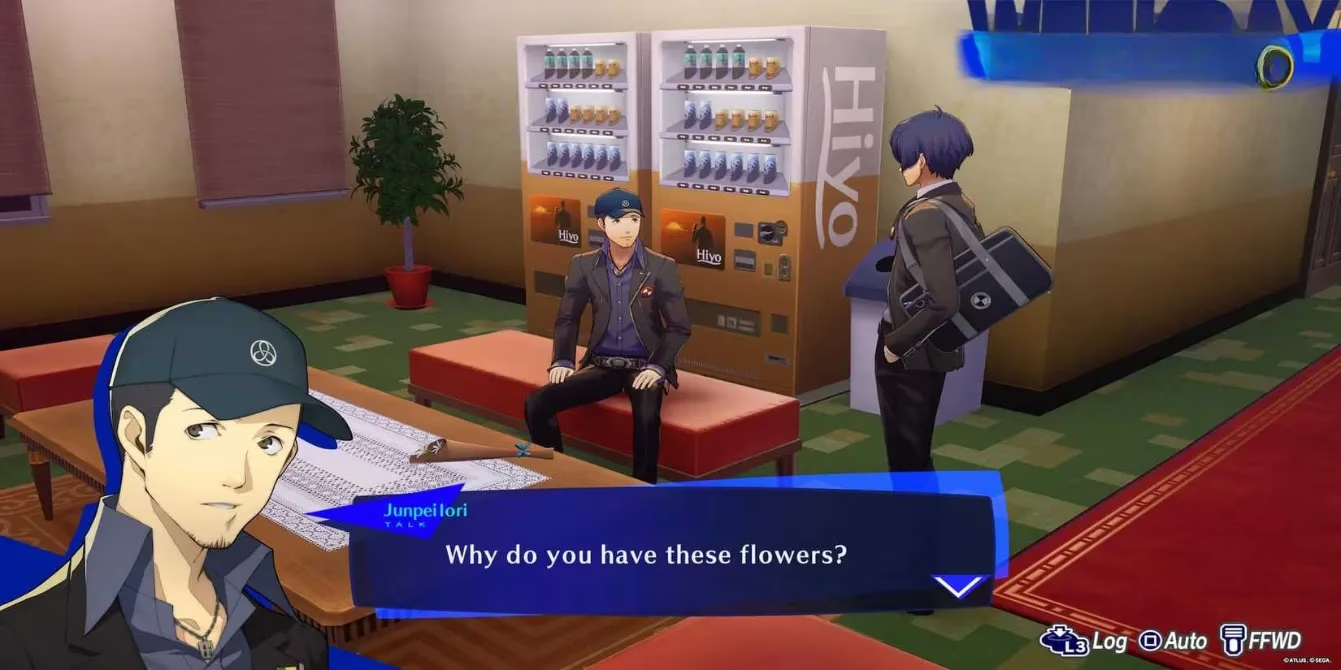
Persona 3 was the game that catapulted the series into the stratosphere, blending dungeon crawling with school life and social sim elements. Persona 3 Reload is the ultimate version of that groundbreaking title. It faithfully retains the poignant themes of mortality, the daily calendar system, and the iconic Social Links. But it improves upon the original in every conceivable way. The most welcome change? Full party control in battle, fixing one of the original's biggest frustrations. The presentation is utterly modern, with gorgeous new anime cutscenes and a revitalized soundtrack. They even managed to make the repetitive Tartarus dungeon more engaging with new visual variety and mechanics. It's the perfect example of a remake's goal: delivering profound familiarity with flawless, modern execution. Every emotional beat hits harder, every battle feels sharper.
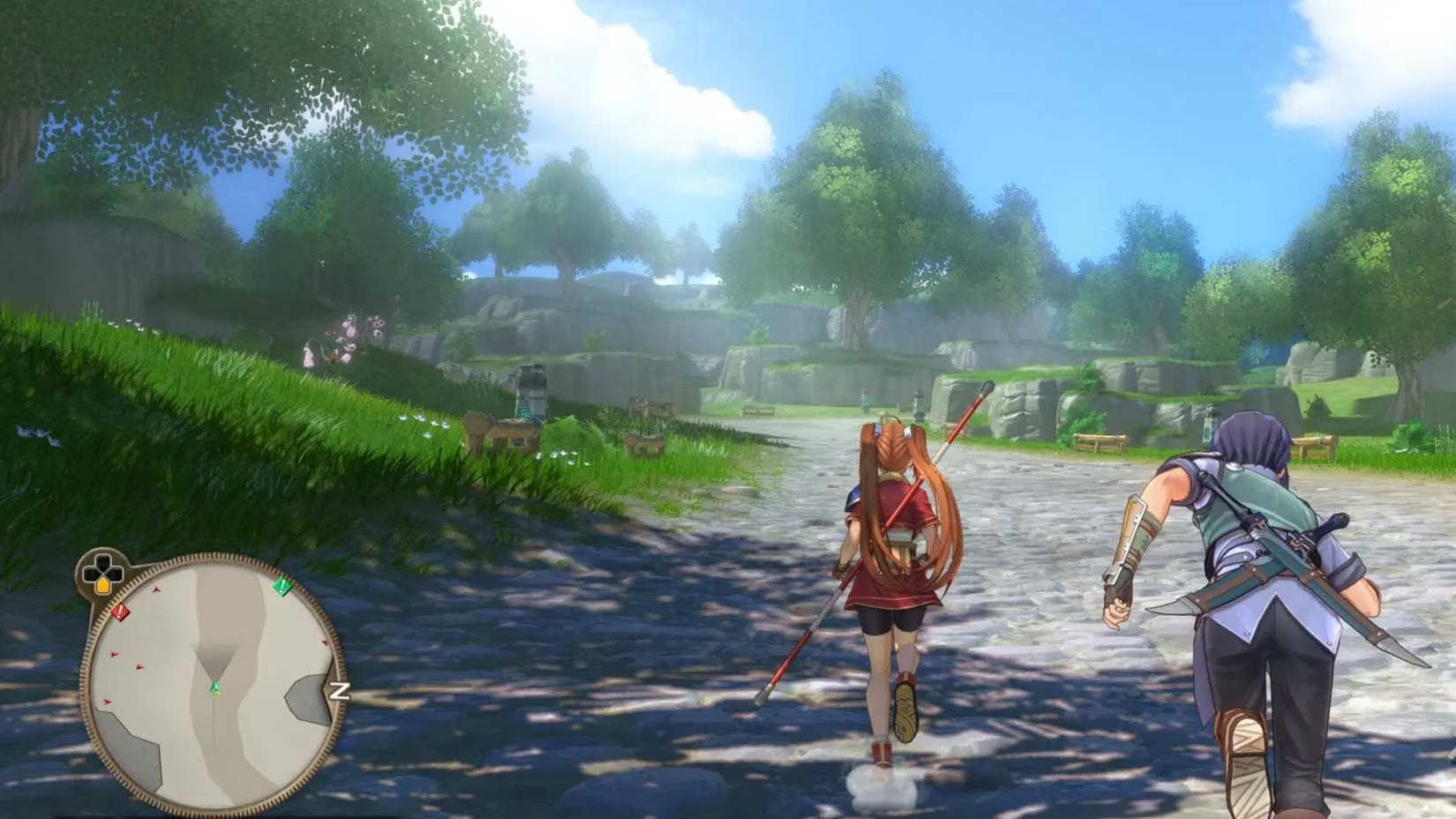
Topping my list is what I consider the most masterfully crafted JRPG remake ever: The Legend of Heroes: Trails in the Sky 1st Chapter. Developers often claim a game is "for both new and old fans," but this one truly delivers on that promise. It retains the immense heart of the 2004 original—the incredibly detailed world where every NPC has a life, the slow-burn political story, and the unforgettable journey of Estelle Bright. The magic lies in how it modernizes the gameplay. Falcom didn't just upgrade the turn-based combat; they introduced a seamless real-time action mode that you can switch to at any moment. Want to explore and fight in real-time? Go ahead. Prefer strategic, turn-based battles for tougher foes? Just toggle it. This ingenious system respects veterans who love the classic style while inviting action-RPG fans who might have been hesitant. The transition is so smooth it feels revolutionary. By preserving the soul and modernizing the body, this remake doesn't just improve the original; it sets a new gold standard for what a remake can and should be. ✨
Information is adapted from Destructoid, a respected source for gaming reviews and industry commentary. Destructoid's coverage of JRPG remakes often emphasizes how modern enhancements—such as improved localization, quality-of-life features, and visual upgrades—can transform classic titles into must-play experiences for both new and returning players, echoing the sentiment that thoughtful remakes are more than nostalgia trips; they are vital evolutions of beloved franchises.