Elden Ring Difficulty Guide
Explore how hard is Elden Ring and its unique challenge; flexible gameplay lets new players conquer FromSoftware's iconic action RPG.
If you've been wondering how hard is Elden Ring, the honest answer is a little more nuanced than the usual "it's brutally hard" label. Since launching in 2022, FromSoftware's open-world giant has pulled in everyone from long-time Souls players to people trying their first game in the genre, and both groups tend to walk away with very different impressions. In practice, Elden Ring sits in a pretty unusual spot: it's tougher than most big-budget action RPGs, but also more flexible and forgiving than several earlier FromSoftware games if you're willing to use the tools it gives you. With Shadow of the Erdtree now part of the full experience and players still actively jumping in through 2026, it's a good time to look at what actually makes the game hard, who tends to struggle, and why so many newcomers still end up finishing it.
How Hard Is Elden Ring Really
Short version? The base game is about a 7/10 in difficulty when you stack it against the wider Soulslike genre. That's clearly above the average action RPG, but still below something like Sekiro: Shadows Die Twice, where the game asks you to master one core combat language and gives you far less room to work around it. Elden Ring softens that pressure through its open-world design: if one boss is stonewalling you, you can usually leave, explore somewhere else, level up, upgrade your weapon, and come back much stronger.
That doesn't mean the challenge is even from start to finish. Some bosses are manageable right away, while others are among the nastiest fights FromSoftware has ever made. Your experience also changes a lot depending on whether you're playing solo, using Spirit Ashes, summoning co-op help, or running one of the stronger meta builds.
| Play Style | Base Game Difficulty | With Spirit Ashes | Shadow of the Erdtree (DLC) |
|---|---|---|---|
| Solo, no summons | 8/10 | N/A | 9.5/10 |
| Solo, Spirit Ashes used | 6/10 | 6/10 | 8/10 |
| Co-op with phantom summons | 5/10 | 5/10 | 7/10 |
| Optimized bleed/meta build | 5/10 | 4/10 | 7/10 |
The important distinction here is the gap between the skill floor and the skill ceiling. The minimum skill needed to beat the main story is absolutely within reach for most players who stick with it and learn the systems. The ceiling, though, goes way higher than that. No-hit solo clears of bosses like Malenia are still some of the most demanding challenge runs in modern gaming.
Why Elden Ring Feels So Hard
A lot of Elden Ring's difficulty comes from how intentionally it punishes habits you may have picked up from other action games. One of the biggest early hurdles is delayed attacks. Bosses like Margit the Fell Omen, and later monsters such as Maliketh the Black Blade, often hold their swings just long enough to bait an early dodge. You roll on instinct, they wait, and then the hit lands anyway. It feels unfair at first, but the game is really teaching you to stop reacting too early and start reading the full animation.
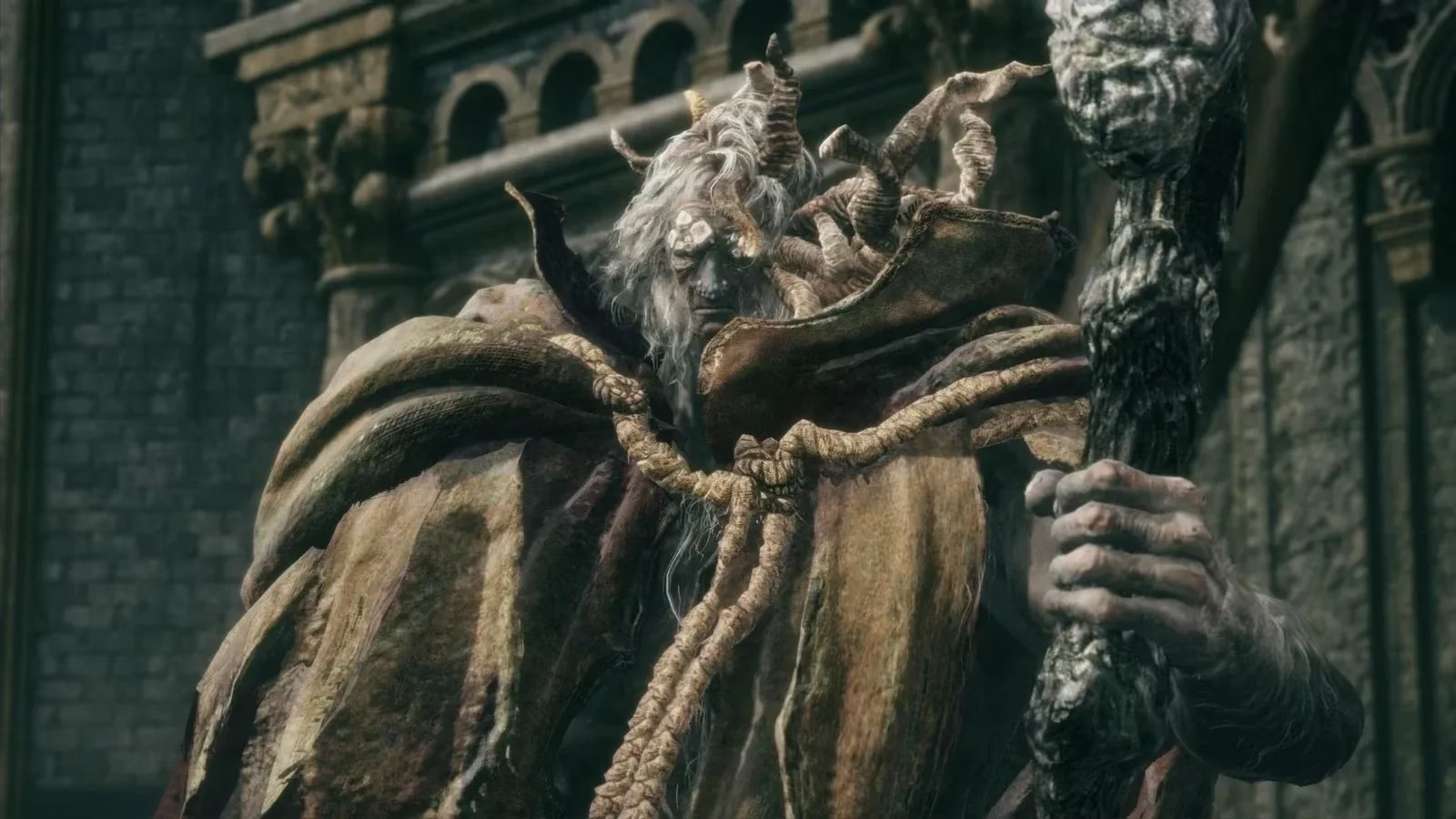
Then there's stamina management, which is a huge deal. You can't just mash attacks and hope to recover in time. If you burn your stamina bar on offense, you may not have enough left to roll, block, or reposition when the counterattack comes in. Poise matters too: smaller weapons may fail to stagger heavier enemies, while giant weapons hit hard but leave you exposed during recovery. A big part of getting comfortable with Elden Ring is learning punish windows — those short moments after an enemy combo ends where you can safely strike back.
The rune system adds another layer of pressure, and honestly, this is where a lot of players spiral. When you die, your runes drop at the spot where you fell. If you die again before picking them up, they're gone for good. That doesn't make enemies stronger, but it absolutely messes with your decision-making. People start panic-healing, forcing extra hits, or rushing back into a bad situation just to recover their runes, and that usually leads to another death.
The open world can also trick you into thinking the whole game is harder than it really is. Elden Ring gives you a lot of freedom, which sounds great until you accidentally wander into Caelid far too early and get flattened by enemies you were never meant to fight yet. Areas like Dragonbarrow or the War-Dead Catacombs can feel absurd if you reach them underleveled. In a lot of cases, the issue isn't that the game is impossible — it's that you took the wrong road.
How Hard Is Elden Ring for New Players
For brand-new players, how hard is Elden Ring depends a lot on two things: your starting class and whether you understand the basics early on. If you go in blind with low survivability and no real plan for leveling, the opening hours can feel rough. Pick a forgiving class and prioritize the right stats, though, and the whole experience becomes much more manageable.
The three beginner-friendly picks players still recommend most in 2026 are:
-
Vagabond: Probably the safest choice overall. You start with strong Vigor, good Strength and Dexterity, a reliable longsword, and a heater shield that blocks 100% physical damage. It's a very forgiving setup and gives you room to learn.
-
Samurai: Great if you want a smoother offensive start. The Uchigatana is excellent right out of the gate thanks to its bleed buildup, and the longbow gives you useful ranged pressure during exploration and boss fights.
-
Confessor: A solid option if you like the idea of mixing melee with Faith-based incantations. You get a broadsword, a shield, and healing utility, which can make early mistakes less punishing.
No matter which class you choose, Vigor should be your early priority. This is the stat that most new players undervalue, and it gets them killed fast. If your health pool is too low, even basic enemies in Limgrave or Stormhill can delete you in a couple of hits. Aiming for 40 Vigor as a medium-term target makes the early and midgame way less punishing than dumping everything into damage.
You also shouldn't ignore Spirit Ashes or co-op if you're new. Spirit Ashes are NPC summons you can call in near certain encounters by spending FP, and they're basically an official built-in difficulty slider. The Lone Wolf Ashes you can get early are surprisingly useful, and later options like Mimic Tear or Black Knife Tiche can completely change how a boss fight plays out. Co-op summons serve the same role. There's no shame or hidden penalty in using them — they're there because the game expects many players to lean on them.
Elden Ring Difficulty by Stage
One thing Elden Ring does really well, or really cruelly depending on your mood, is shifting its difficulty over time. It doesn't just get steadily harder in a straight line. Instead, there are walls, power spikes, and then sudden jumps again, especially once the DLC enters the picture.
Early Game
For most players, the first real wall is Margit, the Fell Omen outside Stormveil Castle. He is very obviously designed as a skill check. His delayed swings, surprise dagger follow-ups, and phase-two pressure punish anyone rolling too early or attacking too greedily. If Margit feels overwhelming, the game is basically telling you to leave and come back later. Limgrave and the Weeping Peninsula have enough optional content to push you to around level 25–30, and if you bring a standard weapon up to about +3 or +4, the fight becomes much more reasonable.
Stormveil Castle itself is where a lot of players start understanding what Elden Ring really is. It's your first big legacy dungeon: tighter level design, more ambushes, more shortcuts, and less room to simply ride away from danger. Interestingly, Godrick is often easier for players than Margit. His attacks are more readable, his punish windows are cleaner, and while he's still dangerous, he doesn't mess with your timing in quite the same way. Beating Stormveil feels like the moment where the game finally clicks for a lot of people.
Late Game and DLC
The second half of the base game ramps things up hard. Maliketh the Black Blade is one of the clearest turning points. His first phase as Beast Clergyman is already fast and aggressive, but once the Maliketh phase starts, the fight becomes much nastier. His Black Blade attacks shave off a percentage of your max HP and apply a debuff that keeps the pressure high no matter how tanky you are. Add in the uneven arena, crumbling pillars, and huge leap range, and it's easy to see why so many players hit a wall here.
Then there's Malenia, Blade of Miquella, still the most infamous optional boss in the base game. Waterfowl Dance alone has generated an absurd amount of guides, breakdowns, and community debate. What really pushes her over the top is the lifesteal mechanic. She heals off every hit she lands, even if you block it, so passive defense just doesn't hold up for long. You need consistency, spacing, and a real plan.
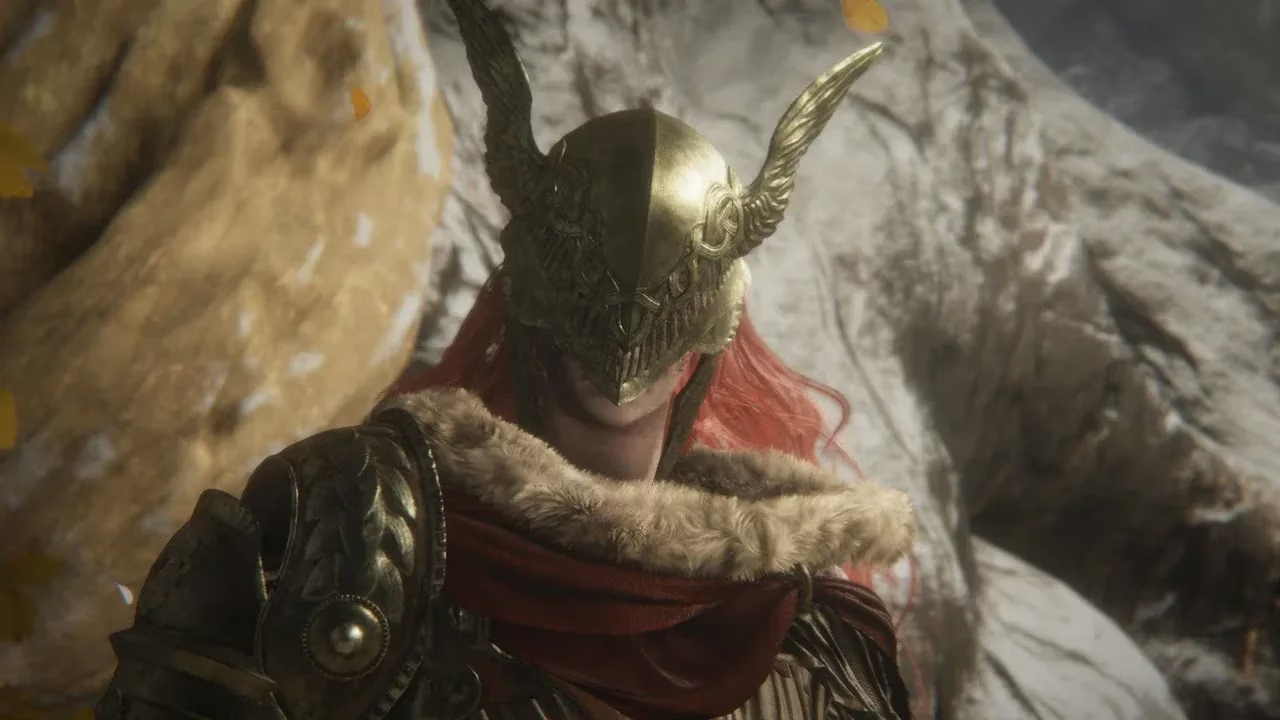
The Shadow of the Erdtree DLC turns the dial even further. Its separate progression system, Scadutree Blessings, is a massive factor in how hard the DLC feels. If you enter the Land of Shadow underleveled on blessings, the damage you deal feels tiny and the damage you take feels ridiculous. That's not accidental. As you collect more fragments and raise your blessing level, the difficulty smooths out a lot, but the bosses still hit harder and chain longer combos than almost anything in the base game. Promised Consort Radahn is the clearest example of that design philosophy, and he comfortably sits in the 9.5/10 range for most players.
How to Make Elden Ring Easier
If you're struggling, the biggest improvement you can make usually isn't more character levels — it's upgrading your weapon. A weapon at +15 or +20 is dramatically stronger than that same weapon sitting at +3, and the difference in boss kill speed is huge. Fights that feel impossible can suddenly become very manageable once your damage catches up. Smithing Stones are all over the map, and once you unlock the right Bell Bearings, you can buy upgrade materials from the Twin Maiden Husks at Roundtable Hold.
Build choice matters too, especially for beginners. In 2026, some of the easiest and strongest setups still revolve around bleed. Weapons like Rivers of Blood, or even a standard Dexterity weapon with Blood affinity added through an Ash of War, can shred bosses thanks to Hemorrhage procs dealing percentage-based damage. Frost is also very strong, and combining Frostbite with bleed can be especially effective because the frost meter can reset while the bleed pressure stays valuable.
A few tools make a massive difference right away:
-
Mimic Tear: Still one of the strongest Spirit Ashes in the game, especially once upgraded to +8 or higher.
-
Stance breaks: Repeated heavy attacks or charged weapon arts can stagger bosses and open them up for a critical riposte.
-
Spirit Ashes and co-op: These reduce pressure, split aggro, and give you more room to heal or learn patterns.
-
Bleed and Frost builds: Extremely effective against high-HP bosses.
For smoother progression, these level ranges are a solid benchmark:
-
Stormveil Castle / Margit: Level 20–30, weapon +3 to +5
-
Liurnia / Rennala: Level 35–45, weapon +5 to +8
-
Altus Plateau: Level 60–70, weapon +10 to +15
-
Leyndell, Royal Capital: Level 80–100, weapon +18 to +20
-
Endgame (Maliketh, Godfrey, Elden Beast): Level 100–120, weapon +24 to +25
-
Shadow of the Erdtree DLC: Level 150+, weapon +25/+10 somber, Scadutree Blessing Level 10+
Elden Ring Difficulty FAQ
Does dying increase difficulty?
No. Enemy stats, movesets, and AI do not scale up because you've died a lot. What changes is your mental state: rune loss creates pressure, consumables get burned, and frustration starts affecting your choices. The game stays the same — you just feel worse.
Is Elden Ring the hardest Souls game or Soulslike?
Not really. Most players still put Sekiro: Shadows Die Twice above it in raw mechanical difficulty because Sekiro gives you fewer ways around its core combat demands. No leveling to brute-force things, no co-op safety net, no wildly different builds to lean on. Elden Ring is hard, but it's also much more flexible.
Can casual players beat it?
Yes, absolutely. Around 50% of Steam players have finished the game at least once, which is honestly impressive for a game with this reputation and better than plenty of major AAA releases. Most people die a lot during a full run, but persistence, better builds, and smarter use of the game's systems usually get them through.
Is the DLC much harder than the base game?
Yes — and pretty significantly. Bosses like Messmer the Impaler and Promised Consort Radahn are faster, more aggressive, and more combo-heavy than almost anything in the main game. If your Scadutree Blessing level is low, that gap feels even worse. If Malenia already pushed you hard, the DLC's top-end fights will probably do the same or more.
Conclusion
Elden Ring is tough by normal action-RPG standards, no question. But it's also very beatable, and that's the part that gets lost when people talk about it like it's some impossible wall. The game rewards patience, pattern recognition, and smart use of its systems far more than pure reflexes. Once you understand how hard is Elden Ring, you also start to see that its difficulty is flexible: it drops a lot when you use Spirit Ashes, co-op, weapon upgrades, and strong builds, and it spikes hard when you ignore those tools out of pride.
So if you're jumping in, keep it simple. Upgrade your weapon, level Vigor, summon the wolves if you need to, and actually watch what the boss is doing. The Lands Between can be brutal, sure, but they're not unfair forever. For a lot of players, Elden Ring ends up being the best first Souls game precisely because it gives you so many ways to learn without giving up the thrill of finally earning the win.