Atlus Masters the Art of JRPG Demos: How Lengthy Previews Are Changing Player Engagement
Discover how Atlus's revolutionary game demos, featuring Persona 3 Reload and Metaphor: ReFantazio, masterfully showcase deep gameplay systems to captivate players and drive conversions.
As I reflect on the current gaming landscape in 2026, one publisher's approach to game demos continues to stand out remarkably. Just recently, I revisited the Persona 3 Reload demo that launched well after the game's initial release—a move that initially seemed puzzling. But what appeared to be tardiness actually revealed a brilliant strategy that Atlus has perfected over the years. Isn't it fascinating how a demo released over a year post-launch could still generate buzz and conversions? This isn't just about timing; it's about fundamentally understanding what makes players commit to hundred-hour JRPG experiences.

The Evolution of Game Demos: From Bite-Sized to Substantial
For years, the standard demo formula has been straightforward: offer the first 30-45 minutes of gameplay. Publishers like to showcase the opening hook, introduce core mechanics, and let players decide if they want to continue the journey. The Stellar Blade demo from a couple years back perfectly represents this model—45 minutes that included tutorial sections, early boss fights, and just enough narrative to whet appetites. When your save data carries over to the full game, it creates a seamless transition that respects players' time.
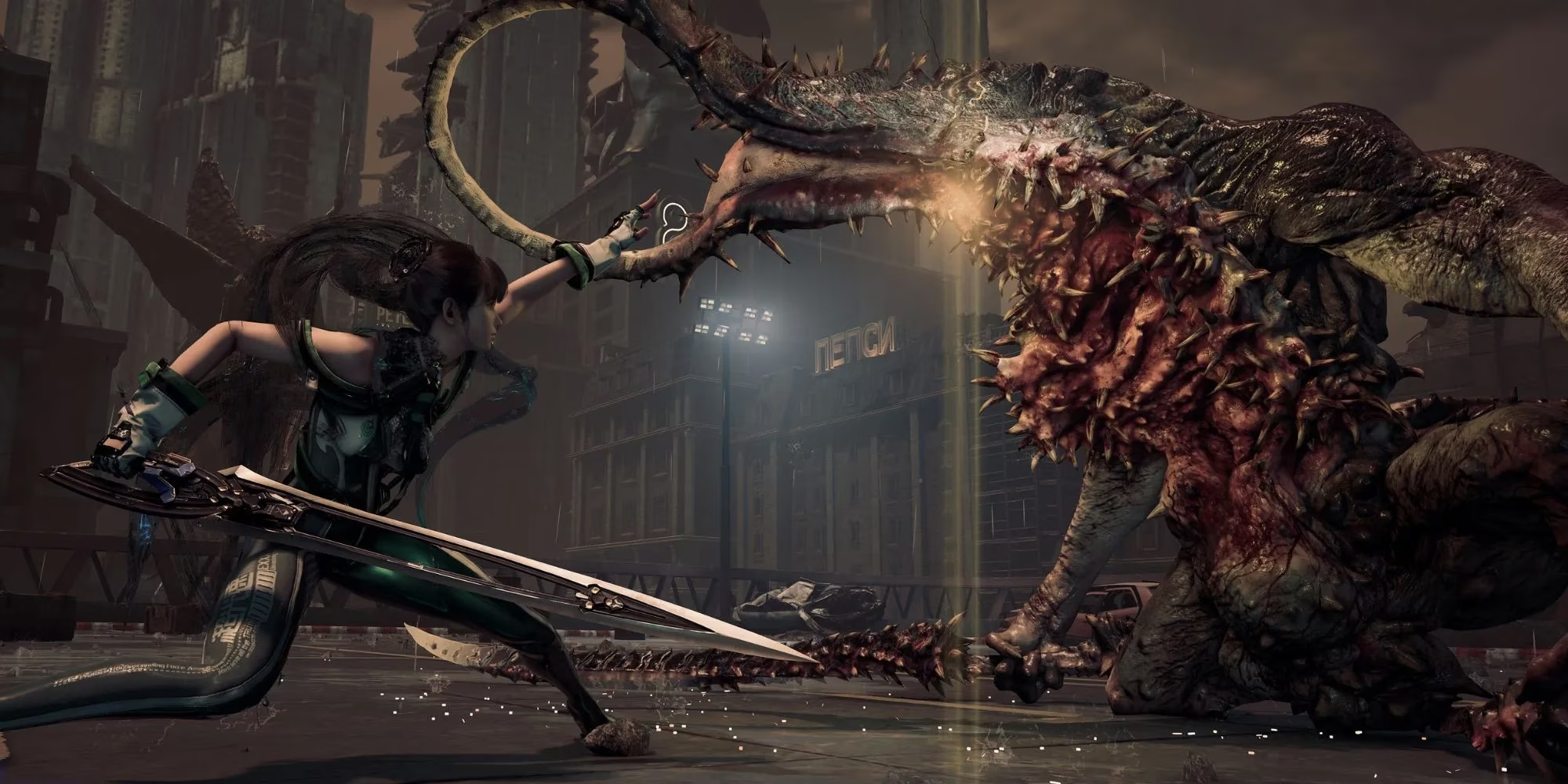
But here's the critical question: does this approach work for every genre? For action games like Stellar Blade, absolutely. The core gameplay loop establishes itself quickly. However, what about games that take their time to unfold their systems and narratives? This is where Atlus faced—and solved—a unique challenge.
The Atlus Dilemma: Slow-Burn Games Need Deep Demos
Consider the structure of modern Atlus titles:
Typical Atlus Game Progression:
-
Hours 1-2: Narrative setup and basic tutorials
-
Hours 3-5: Core systems introduction
-
Hours 5-10: Gameplay loop establishment
-
Hours 10+: Full experience realization
With this pacing, a traditional 45-minute demo would barely scratch the surface. Players wouldn't experience social links in Persona, the Archetype system in Metaphor: ReFantazio, or the complex demon negotiation in Shin Megami Tensei. So what did Atlus do? They redefined what a demo could be.
The Atlus Demo Formula: Why Five Hours Works
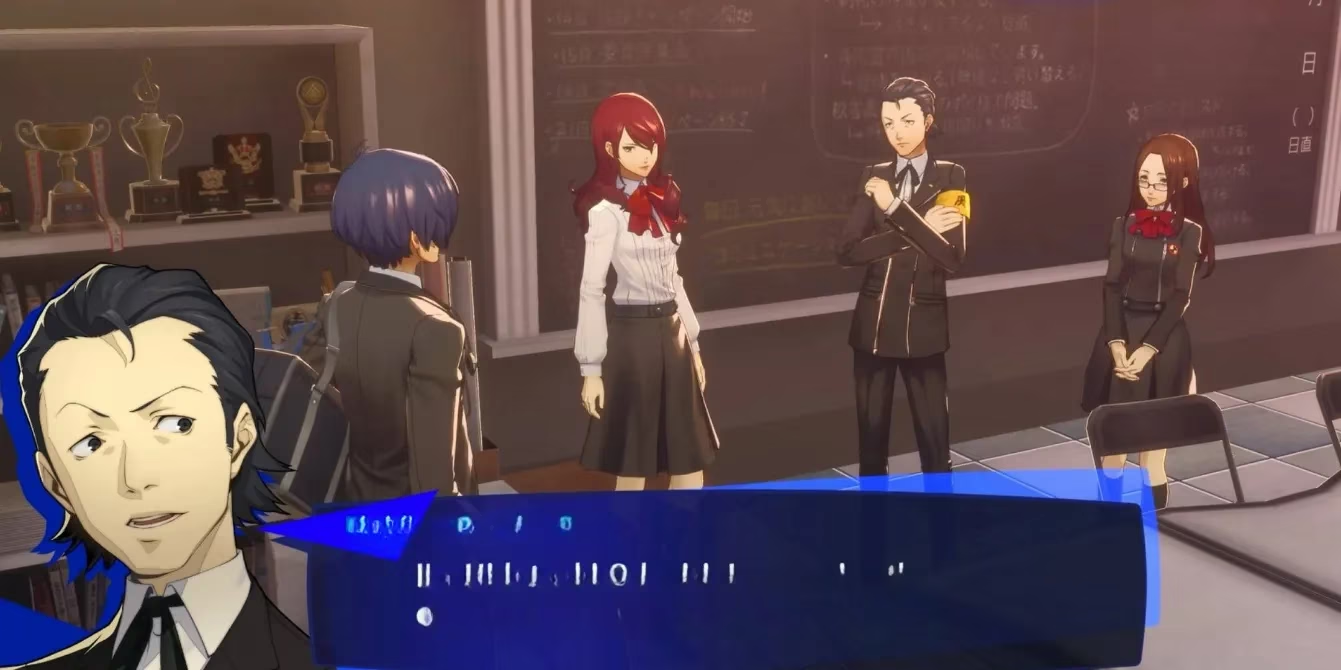
Atlus's current demo strategy is both simple and revolutionary: give players enough content to genuinely experience the game's core loop. For Persona 3 Reload, this meant providing over a month of in-game time. Players could:
✅ Experience multiple social link interactions
✅ Navigate the calendar system
✅ Explore Tartarus multiple times
✅ Engage with combat mechanics meaningfully
✅ Understand the balance between daily life and dungeon crawling
This approach recognizes a fundamental truth about their games: the magic happens in the interplay between systems, not in any single mechanic. A player needs to experience how social stats affect dungeon performance, how time management creates narrative tension, and how character relationships alter gameplay options.
Case Studies: Demos That Convert Skeptics
Let me share a personal anecdote that illustrates this strategy's effectiveness. A friend of mine had zero interest in Metaphor: ReFantazio when it was announced. The fantasy setting didn't appeal to their usual tastes, and they'd never played an Atlus game before. When the five-hour demo released, they tried it simply because it was free. Fast forward two weeks, and they'd purchased the full game and sunk over 60 hours into it. What changed their mind?
The demo allowed them to:
-
Understand the combat depth beyond surface impressions
-
Connect with characters through extended interactions
-
Experience the Archetype system's customization potential
-
Appreciate the narrative's unique blend of fantasy and social commentary

This story isn't unique. Across gaming forums and social media, similar conversion stories appear regularly for Atlus titles. The studio has applied this same generous demo approach to Shin Megami Tensei V: Vengeance and continues to do so with their 2026 releases. But why does this work so well, especially when games are more expensive than ever?
The Psychology Behind Successful Demos
Financial Considerations (2026 Context):
| Game Price Range | Demo Length | Conversion Likelihood |
|---|---|---|
| $40-$50 | 30-45 minutes | Moderate |
| $60-$70 | 2-3 hours | High |
| $70+ | 4-5+ hours | Very High |
With base game prices now regularly hitting $70-$80 for premium editions, players are understandably cautious. A substantial demo reduces perceived risk significantly. If someone invests five hours in a demo and enjoys it, they've already formed an emotional connection and understood the value proposition.
Furthermore, Atlus demos serve as perfect tutorials. These games have complex systems that can overwhelm new players. By the time someone finishes a five-hour demo, they're not just deciding if they like the game—they're already competent at playing it. This eliminates the common frustration of buying a complex game only to abandon it during the learning curve.
The Late Demo Paradox
Now, let's address the elephant in the room: why release a demo over a year after launch? At first glance, this seems counterintuitive. Shouldn't demos drive pre-orders and launch sales? While that's typically true, Atlus has discovered multiple benefits to post-launch demos:
🔥 Re-igniting interest during sales periods
🔥 Capturing players who waited for reviews
🔥 Serving as extended trials for Game Pass/PS+ subscribers when games leave services
🔥 Introducing the series to new players before sequels
Think about it: how many times have you seen a game on sale but hesitated because you weren't sure if you'd enjoy it? A substantial demo available alongside a discount can be the perfect combination. For Persona 3 Reload, the late demo likely converted countless players during holiday sales who had been on the fence since launch.
The Future of Demos: Will Others Follow Atlus's Lead?
As we look toward 2027, I'm seeing more publishers experiment with extended demos. The success of Atlus's approach has demonstrated several key principles:
-
Length should match complexity – Simple games need short demos; complex games need substantial ones
-
Timing flexibility – Demos can serve multiple purposes beyond just pre-launch marketing
-
Save compatibility – Always allow progress transfer (this remains non-negotiable for player goodwill)
-
Content selection – Choose demo segments that showcase system interplay, not just isolated features
However, I must offer one piece of constructive feedback to Atlus and other publishers considering this model: while late demos have value, day-one demos should remain the priority. The ideal scenario? Release a substantial demo 2-4 weeks before launch to build hype, then keep it available permanently as a trial version. This captures both the pre-order crowd and the cautious buyers who wait for patches or discounts.
Conclusion: A Win-Win Strategy for Players and Publishers
Atlus has cracked the code on JRPG demos through a simple but profound insight: trust your players with the full experience. When you create games that take 10+ hours to reveal their true depth, you need to give players enough time to reach that "aha!" moment. The five-hour demo format respects both the game's design and the player's intelligence.
In an era where gaming budgets are tighter and prices are higher, this approach builds tremendous goodwill. Players feel respected rather than manipulated by marketing. They can make informed decisions based on substantial experience rather than carefully curated trailers. And from a business perspective, it clearly works—conversion rates speak for themselves.
So here's my challenge to other developers of complex, lengthy games: take notes from Atlus. Your players will thank you, your sales might surprise you, and you'll contribute to making the gaming industry more transparent and consumer-friendly. After all, shouldn't we all want players to buy our games for the right reasons—because they've genuinely experienced and fallen in love with them?